





The environment regulatory in Europe is changing faster than many organizations can assume. It's not just big laws that make headlines. Every week, hundreds of amendments, drafts and proposals are debated in national legislative chambers, European committees and bodies that can quietly and completely transform an industry.
The tricky part is not knowing that this is happening, but finding out in time with intelligent alerts.
This is where knowledge comes into play how to be informed of automated European legislative alerts. They are not a fad or a technological luxury. They are a necessity for any company, institution or lobby that wants to anticipate, prepare and act intelligently.
For years, regulatory monitoring was based on official bulletins, press releases or subsequent analysis. The problem is that by the time the news arrived, the opportunity had passed. The difference now is that access to information has accelerated. And artificial intelligence has made it possible for that information to arrive not only sooner, but also better filtered, more accurate and tailored to what really matters for each organization.
A system that works for you
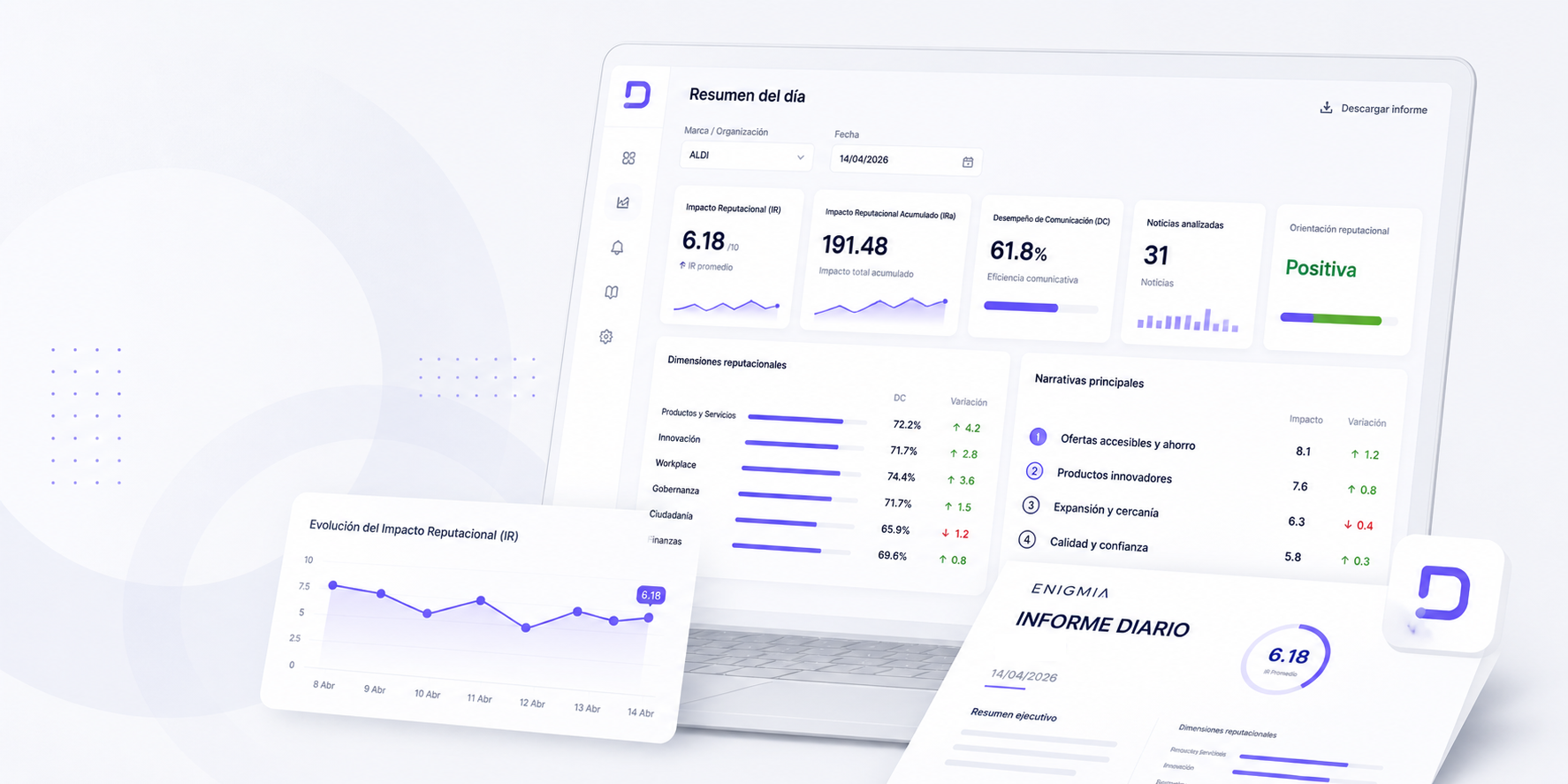
The automated alerts allow you to receive customized notifications when certain key issues are detected in legislative processes. You can configure keywords, sensitive topics or specific territorial areas, and let the system constantly check official sources for you.
And he does it without a break. It doesn't need schedules or intermediaries. If there's a mention that might affect you, you'll get it. If there's a topic being discussed that touches your industry, you'll know about it. All this without having to monitor multiple websites daily or wait for a monthly report to summarize what's already happened.
This not only saves time. It frees up resources. It allows institutional relations, legal or communications teams to focus on what really matters: interpreting data, making decisions and anticipating movements.
From reactive to proactive
One of the big changes brought about by legislative automation is the shift from a reactive to a clearly proactive approach. Companies no longer find out late. They can now see risks coming before they take shape. They can identify windows of opportunity to influence, to propose, to adapt their message.
This completely changes the logic of the lobby modern. It is no longer just a matter of reacting to what is published. It is about reading between the lines of what is being proposed, foreseeing where a law may turn and preparing a strategy in time to participate in the debate.
And we're not just talking about Brussels or large national parliaments. Automated legislative alerts can track everything from European bodies to local chambers, as long as their records are available online. What matters is not the size of the institution, but the capacity it has to influence your environment.
A competitive advantage that others are already using
In sectors such as energy, energy telecommunicationsWhether it's in transportation or healthcare, being informed of an amendment before the competition can make the difference between anticipating or improvising. Many companies have already incorporated legislative alert systems as a central part of their regulatory strategy.
It's not just about risk avoidance. It is also a matter of reputation and positioning. Knowing in advance what topics are going to be on the table allows you to generate content, reports or even campaigns that demonstrate knowledge and commitment. And that makes a difference, both in the media and in institutional meetings.
For example, a company in the pharmaceutical sector may know that a reform in the regulation of generic drugs is on the horizon. This gives it room to prepare arguments, contact key stakeholders or adjust its communication plan before the news becomes public.
The same is true in sectors affected by environmental, labor or consumer regulations. In all these contexts, time is of the essence. And when information arrives earlier, so do decisions.
Real customization, not generic filters
One of the common mistakes when talking about automation is to think that everything works by rules of thumb. In the case of legislative alerts, what really makes the difference is customization.
You can define the exact topics you are interested in, including combinations of keywords, types of legislative documents or specific geographic areas. You can receive notifications only when something is published in a particular language or limit alerts to bills in the pipeline.
And the best thing is that you can decide how to receive this information. Some people prefer an immediate notification to react instantly, while others opt for a daily or weekly summary to integrate this monitoring into their analysis routine.
All this without depending on third parties, without having to hire an analyst or a monitoring team. The system works for you, and adapts to the way you work.
The future of legislative monitoring lies in automation
Until recently, following legislative activity required time, specialized personnel and a lot of manual effort. Now, thanks to automation and artificial intelligence, a new stage is opening up that is much more agile and accessible.
We're not just talking about collecting data. We are talking about interpreting contexts, detecting patterns and anticipating movements. Technology already makes it possible to identify whether a legislative text is gaining media relevance, whether it has been mentioned by key figures or whether it is generating reactions in specific sectors.
This helps to prioritize, to focus efforts on what really matters and not to waste time with irrelevant noise. New generation tools do not replace expert analysis, but complement and enhance it.
They also provide something fundamental: traceability. You can justify every alert, every decision, every move. And that is key both internally and vis-à-vis third parties. Because when it comes to reputation or institutional relations, documenting what you know and when you knew it makes a big difference.
The right information, at the right time
Being well informed is no longer an advantage. It is a necessity. But not all information is useful. What matters is to receive what can really affect you, when you still have time to act.
This is why solutions such as ENIGMIA #LegislativeThe 100% alerts system allows you to monitor the legislative cameras that are most relevant to your activity, anywhere in the world, with a customizable 100% alert system. A tool designed for those who can't afford to be one step behind.
If your job depends on understanding the regulatory environment before it becomes the norm, perhaps it's time to automate your legislative oversight. And do it without losing control, without complications and without relying on others.











 Spanish
  English
  Portuguese
  French
  German
  Italian