



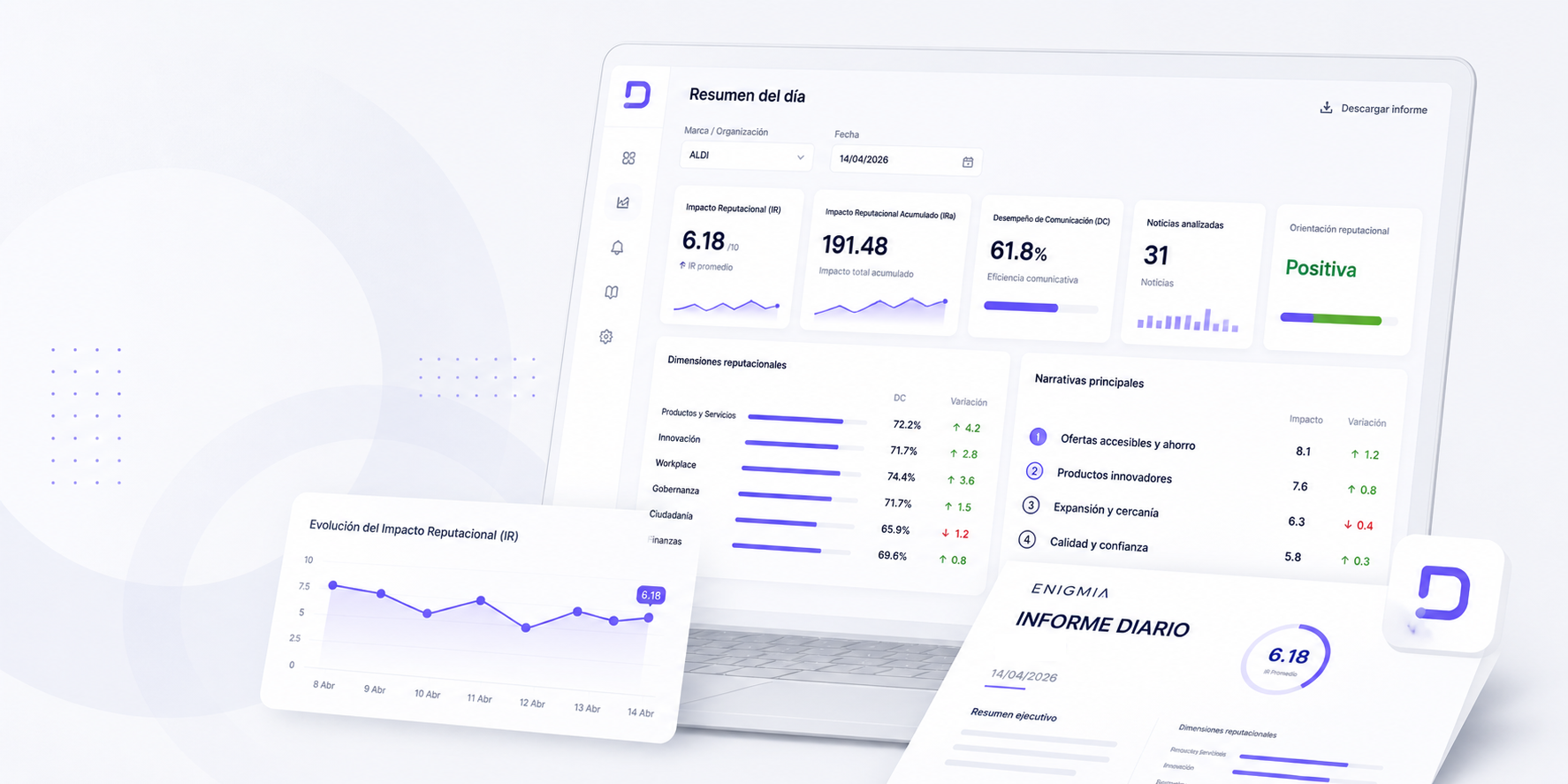


The artificial intelligence (AI) is drastically changing the way business is conducted. electoral processes around the world. From data collection to voter behavior analysis, AI is revolutionizing politics and how citizens engage in the democratic process.
Automation of data collection with Artificial Intelligence
One of the most challenging aspects of elections is data collection and analysis. AI tools enable automation of this process, resulting in greater efficiency. Algorithms can collect information from multiple sources, such as surveys, social networks and public databases. This not only saves time, but also provides a more complete and accurate view of the electorate.
In addition, by processing large volumes of information, AI makes it easier to identify patterns and trends that might go unnoticed in a manual analysis. For example, changes in voter preferences can be detected as elections approach, allowing parties to adjust their strategies in real time.
Tool for Reputation and Electoral Candidate Tracking with AI
Segmentation and personalization of the message in electoral processes
Electorate segmentation is crucial for a successful election campaign. Thanks to AI, parties can analyze demographic and behavioral data to segment voters into specific groups. This allows for effective personalization of campaign messages, making voters feel that their concerns are heard and addressed.
For example, instead of sending the same message to all voters, a campaign can target young people with messages about education and employment, while older voters can be offered information about health and social security. This strategy not only increases the effectiveness of the campaign, but also enhances the voter experience, promoting greater participation.
Prediction of election results
Predictive analytics is another area where AI has shown great potential. Using historical and current data, AI platforms can predict election outcomes. This not only informs parties about their chances of success, but can also influence public perception and voter decision making.
AI-based predictions have proven to be more accurate than traditional methods. This is due to AI's ability to process and analyze data quickly and efficiently, allowing parties to make adjustments to their strategies before it is too late.
Social media monitoring
Social media has become a crucial battleground during election campaigns. AI allows parties to monitor conversations on platforms such as Twitter, Facebook and Instagram, providing valuable information about the emotional climate of the electorate.
Sentiment analysis, powered by AI, enables an understanding of how voters perceive candidates and their proposals. This can help parties adjust their communication and respond quickly to emerging issues, ensuring that their message resonates with the electorate.
Transparency and security
The implementation of AI can also improving the transparency and security of electoral processes. AI systems can detect irregularities in real time, alerting authorities to possible fraud or manipulation. This not only protects the integrity of elections, but also increases voter confidence in the system.
AI enables automatic audits of election results, ensuring that every vote is counted correctly. This verification capability is essential to maintaining public confidence in the democratic process.
Ethical challenges and considerations
Despite the many benefits that AI offers, it also poses significant ethical challenges. The collection of personal data can raise concerns about privacy and misuse of information. It is crucial that electoral bodies establish clear and transparent policies on how data is collected and used.
In addition, the possibility of manipulation of information through AI-based disinformation campaigns is a growing concern. Therefore, it is essential that there is a regulatory framework in place to ensure the ethical and responsible use of AI. technology in electoral processes.
Conclusions
The artificial intelligence is transforming electoral processes in ways we are just beginning to understand. From automating data collection to personalizing the message and predicting outcomes, AI not only improves campaign efficiency, but also enriches the voter experience.
However, it is critical to address the ethical challenges that arise with its implementation. As we move towards a more digital electoral future, AI will play a key role in the way elections are conducted, and it is our responsibility to ensure that it is used in a fair and transparent manner.












 Spanish
  English
  Portuguese
  French
  German
  Italian