



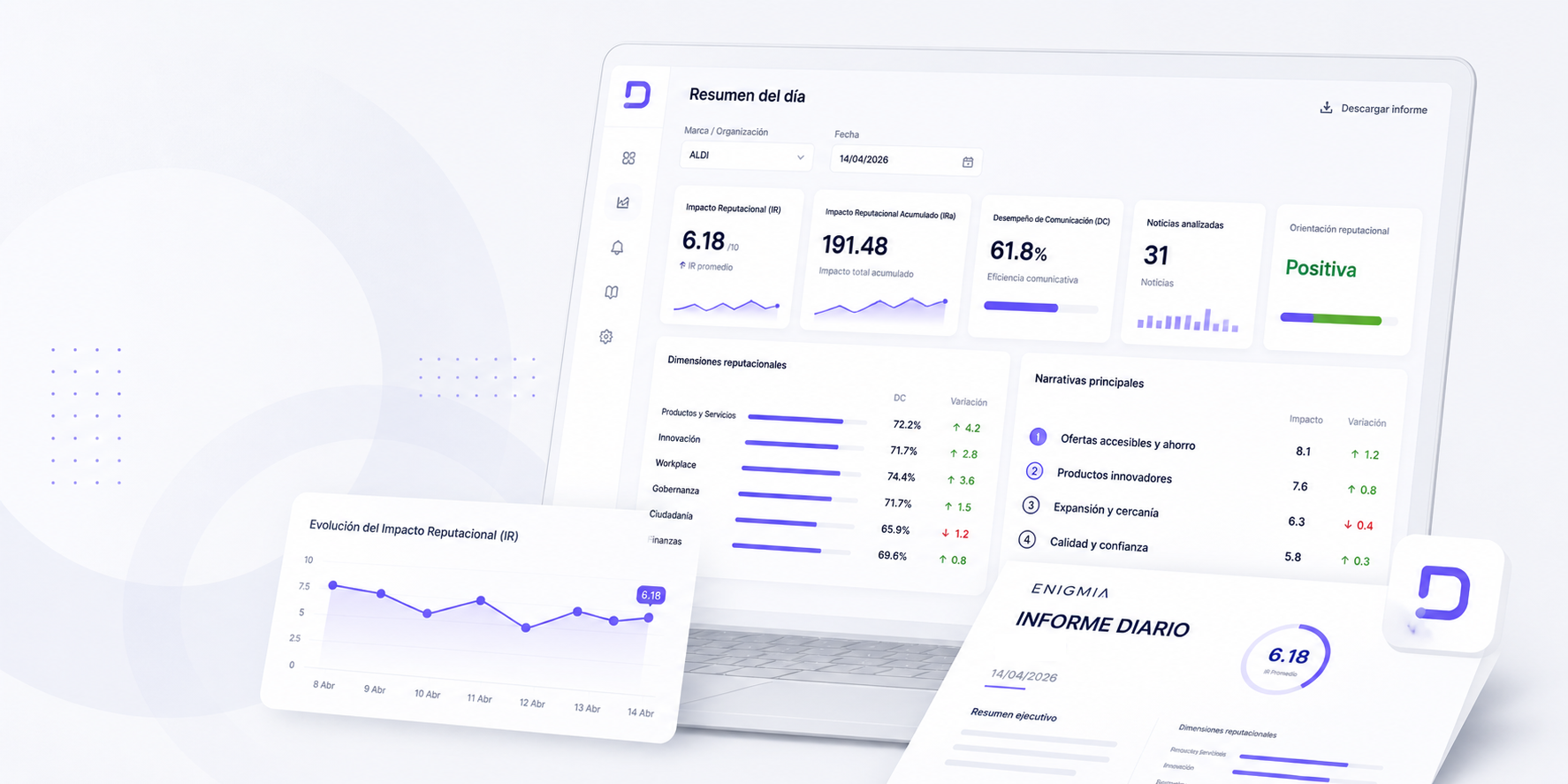


The election planning is a crucial process for the success of any political campaign. With the increasing complexity of the political environment and the diversity of tools available, artificial intelligence (AI) has become an indispensable ally. This guide explores how AI can transform election planning, offering strategies to optimize campaigns, better understand voters and ultimately increase the chances of success.
Understanding AI in the electoral context
AI encompasses a variety of technologies that enable systems to learn and adapt from data. In the electoral field, this translates into the ability to analyze large volumes of information, identify patterns and make accurate predictions.
Types of AI used in electoral campaigns
- Data analysis: AI tools that process data from polls, social networks and voter behavior to identify trends and preferences.
- Chatbots: Virtual assistants that interact with voters, answering questions and providing relevant information about candidates and electoral processes.
- Predictive models: Algorithms that use historical data to predict voter behavior and election results.
Benefits of AI in election planning
The implementation of AI in electoral planning offers multiple advantages:
- Informed decision making: AI provides deep, data-driven analytics, enabling campaign teams to make better decisions.
- Accurate segmentation: The ability to segment voters according to their preferences and behaviors allows for more personalized communication.
- Resource optimization: AI helps identify areas where resources can be maximized, directing efforts to where they are most needed.
▶ You may be interested in: How Artificial Intelligence transforms electoral processes
How to plan a successful election campaign using AI
Successfully planning an effective election campaign requires the implementation of well-defined strategies. Below are some key approaches using AI.
Voter data analysis
The first step in election planning with AI is the collection and analysis of voter data. This includes demographic information, voting history and political preferences.
- Analysis tools: Platforms such as Google Analytics and data mining tools enable campaign teams to gain valuable insights.
- Voter segmentation: Use clustering algorithms to group voters based on their characteristics and behaviors, facilitating more targeted campaigns.
Creation of customized content
AI can also optimize content creation, allowing campaign teams to generate messages tailored to different voter segments.
- Content generation: Natural language processing (NLP) tools can help create political messages that resonate with the concerns of different groups.
- A/B testing: Implement A/B testing to evaluate which messages are most effective in different segments, adjusting the strategy in real time.
Social media monitoring
Social media is a key channel in any election campaign. AI allows campaign teams to monitor conversations and trends in real time.
- Sentiment analysis: Sentiment analysis tools can identify how candidates and issues are perceived on social networks, adjusting communication strategies accordingly.
- Crisis detection: AI can alert teams to potential communication crises, enabling a quick and effective response.

Power your electoral strategy with ENIGMIA!
Discover how our candidate tracking tool allows you to manage reputation and analyze the impact of your actions in real time. Leave nothing to chance: visit our website and transform your electoral approach today: request a free demo and start making a difference!
Success stories in election planning with AI
Numerous examples demonstrate how AI has transformed election planning in different contexts.
Presidential campaigns
A notable example is the 2016 U.S. presidential campaign, where the use of data and predictive analytics played a key role. Campaign teams used AI models to segment voters and target personalized ads to specific audiences, thus optimizing their budget and resources.
Local elections
In some elections candidates have employed chatbots to interact with voters. These virtual assistants answered frequently asked questions and helped voters obtain information about the electoral process, which improved voter participation and satisfaction.
Challenges in AI implementation
Despite its benefits, the implementation of AI in electoral planning is not without its challenges.
Data privacy
The use of personal data raises privacy and ethical concerns. It is essential that campaign teams respect data protection rules and regulations.
Algorithmic biases
AI algorithms can have biases that affect results. It is crucial that campaign teams evaluate and adjust their models to avoid detrimental decisions.
Future of AI planning
The future of election planning is looking exciting thanks to the continuing evolution of AI. With the advancement of technologies such as machine learning and automation, election campaigns will become increasingly accurate and effective.
Extreme customization
The ability to personalize communication at individual levels will become more advanced, allowing candidates to connect more deeply with voters.
More accurate predictions
As AI continues to evolve, predictions of election results will become more accurate, helping campaign teams adjust their strategies in real time.
Conclusion
Election planning with AI represents a unique opportunity to revolutionize the way candidates and political parties communicate with voters. Through data analytics, precise segmentation and personalized content, AI can optimize election campaigns and increase the chances of success.
However, it is critical to address the ethical and privacy challenges associated with the use of this data. As we move into an increasingly digital future, integrating AI into election planning will become essential for success in the competitive political world.












 Spanish
  English
  Portuguese
  French
  German
  Italian